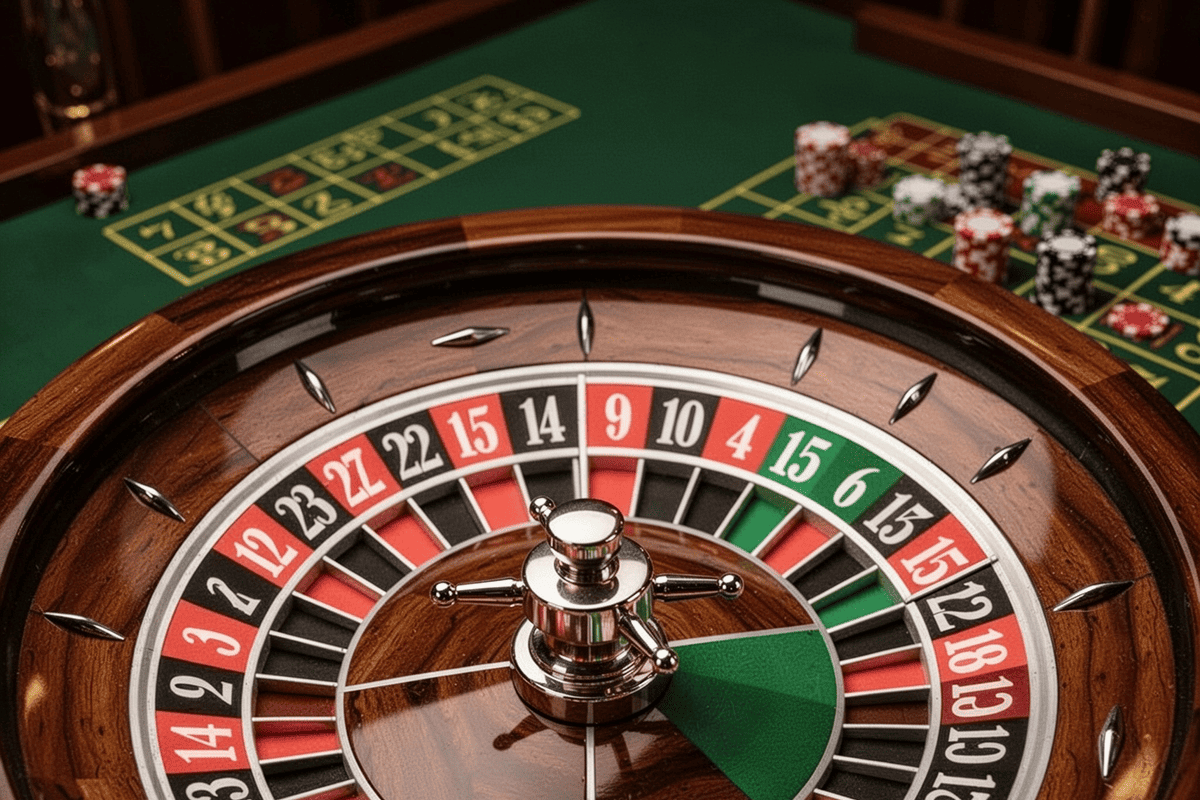
Alright, listen up. Samir here. You see a roulette table, you see a wheel, you think you know what’s what. Maybe you’ve even tossed a few chips on red or black, felt that little thrill. Good for you. But what I’ve seen, from Macau to Manila, is players—even the ones flashing serious cash—fumbling with the real game. They’re betting like it’s a coin flip, while the pros (and the ones who stick around) are playing a different tune. I once had a guy, 3 AM, sweat dripping, convinced he had a system for ‘alternating colors.’ He was down a quarter-million, muttering about the ‘universe balancing out.’ Meanwhile, the dealer, bless her heart, was just trying to remember what day it was. That’s the kind of chaos I’ve managed for years. Today, we’re talking about something a little more refined, a bit more… European. We’re diving into sector bets: Voisins du Zéro, Orphelins, and Tiers du Cylindre. These aren’t your daddy’s red-or-black bets, and understanding them can save you a whole lot of grief, and maybe even make you look like you know what you’re doing for once.
Introduction to Roulette
Roulette. The queen of casino games, they call it. Or, as I’ve seen it, the ultimate test of a player’s sanity and bankroll management. It’s elegant, simple on the surface, and utterly brutal if you don’t respect it. For me, it was always the soundtrack to a long shift, the rhythmic click-clack of the ball, punctuated by the occasional roar of victory or the mournful sigh of defeat. It’s a game of chance, yes, but there’s a method to the madness, a way to play smarter than the average tourist.
History of Roulette
You probably don’t care much about history when you’re staring down a spinning wheel, but a quick hit: it dates back to 17th-century France. Blaise Pascal, a mathematician, accidentally invented an early form while trying to build a perpetual motion machine. Irony, right? It evolved, picked up a zero, then two zeros for the Americans, and spread like wildfire. What started as a scientific curiosity became a global phenomenon, emptying pockets and filling casino coffers for centuries. It’s got pedigree, you could say.
Rules of Play Against a Casino
Basic rules? You pick a number, a color, a section, whatever. The dealer spins the wheel, drops a ball, and wherever it lands, that’s the winner. You place your bets before the dealer calls “no more bets.” Simple. But simple doesn’t mean easy. The casino always has an edge, and anyone who tells you otherwise is selling something. Your job is to understand that edge and play within its boundaries, not against them.
Roulette Wheel Number Sequence
This isn’t just a random assortment of numbers. On a European wheel, the sequence is carefully designed: 0, 32, 15, 19, 4, 21, 2, 25, 17, 34, 6, 27, 13, 36, 11, 30, 8, 23, 10, 5, 24, 16, 33, 1, 20, 14, 31, 9, 22, 18, 29, 7, 28, 12, 35, 3, 26. It’s not just for show; it’s to ensure a balance of high/low, odd/even, and red/black numbers are distributed around the wheel, making it harder to predict the outcome based on visual cues alone. American wheels throw in that extra double zero, messing with the sequence and, more importantly, your odds.
Roulette Table Layout
The layout mirrors the wheel’s numbers, but in a grid. You’ve got your individual numbers (0-36, or 00-36), and then your outside bets: red/black, odd/even, high/low, dozens, columns. The sector bets we’re talking about today don’t always have a dedicated spot on the felt, which is why a lot of beginners get confused. You’re essentially betting on specific sections of the wheel, not just the layout grid.
Types of Roulette Games
European Roulette
This is your standard, single-zero game. The one you want to play. It has 37 pockets: 1 through 36, and a single zero. This is where most of the sector bets shine, because that single zero makes a big difference in your favor compared to its American cousin.
American Roulette
Avoid it if you can. It’s got 38 pockets: 1 through 36, a single zero, and a double zero. That extra zero nearly doubles the house edge on most bets. I’ve seen countless players, fresh off the plane in Vegas, lose their shirt on these tables, not understanding that one little ’00’ makes all the difference. It’s a sucker bet for anyone who knows the difference.
French Roulette
Essentially European Roulette, but with some player-friendly rules like ‘La Partage’ and ‘En Prison’ on even-money bets. These rules mean if the ball lands on zero, you only lose half your bet or get another spin to win it back. This is the best version for the player, hands down. If you find a table offering it, play there. It’s rare, but gold.
Online Variations
Online, you’ll find everything from multi-wheel roulette to mini-roulette. Most online casinos will offer European and American versions. Just make sure you’re playing the one with the single zero, unless you enjoy donating extra money to the house. The mechanics are the same, but the vibe? Forget about it. Nothing beats the live action, the actual felt, the actual dealer.
Takeaway: Know your wheel. Single zero is your friend. Double zero is the casino’s friend.
Types of Bets in Roulette
Alright, let’s break down where you can sling your chips. This is where most casual players stop, but we’re going deeper. You need to know the basics before you can appreciate the nuance of sector bets.
Inside Bets
These are bets placed directly on the numbers or small groups of numbers on the inner section of the table layout. Think straight up (single number), split (two numbers), street (three numbers), corner (four numbers), and line (six numbers). They pay out big, but the odds of hitting are slim. I’ve seen players chase straight-up numbers for hours, convinced their lucky number is due. It rarely is.
Outside Bets
These are placed on the boxes around the numbered grid. Red/Black, Odd/Even, High/Low (1-18/19-36), Dozen bets (1st 12, 2nd 12, 3rd 12), and Column bets. They pay less (usually 1:1 or 2:1) but hit more often. They’re the bread and butter for many, especially those trying to grind out a session.
Called (or Call) Bets or Announced Bets
Now we’re getting somewhere. These are special bets, primarily found in European and French roulette, that cover specific sections of the wheel. They originated in brick-and-mortar casinos where players would ‘call’ out their bets to the dealer, who would then place the chips. You’re betting on the physical wheel sectors, not just the layout grid. This is where the magic, or at least the illusion of control, happens.
Voisins du Zéro (Neighbors of Zero)
This bet covers the 17 numbers closest to the zero pocket on the wheel. It’s a big chunk of the wheel, including zero itself. You’re basically saying, “I think the ball’s going to land somewhere around zero.” It’s a common bet for those looking for broader coverage without going scattergun.
Jeu Zéro (Zero Game)
A smaller version of Voisins du Zéro. This bet covers the zero and the six numbers immediately surrounding it (12, 35, 3, 26, 0, 32, 15). It’s a more focused bet for when you have a hunch about the zero area but don’t want to cover the full Voisins section. It’s like saying, “I like zero, and its immediate friends.”
Le Tiers du Cylindre (Third of the Wheel)
This bet covers roughly one-third of the wheel, specifically the 12 numbers directly opposite the zero. Think of it as the ‘other side’ of the wheel from the Voisins. It’s a distinct sector, and players often use it to cover a specific arc of numbers. It’s a solid chunk of coverage.
Orphelins (Orphans)
These are the numbers left over, the ‘orphans,’ after Voisins and Tiers are covered. They are two distinct sections on the wheel, not connected. The Orphelins consist of 8 numbers in total. It’s a way to mop up the numbers that the other big sector bets miss. Sometimes, you just gotta bet on the outcasts.
… and the Neighbors
This is a flexible bet. You pick a single number, and then you bet on that number and a certain number of numbers on either side of it on the wheel. For example, ‘5 and its neighbors by 2’ would cover 5, and the two numbers on either side of 5 on the wheel (like 24, 16, 5, 10, 23). It’s a custom sector bet, letting you tailor your coverage around a hot number.
Final Bets
You bet on all numbers ending with a specific digit. For example, ‘Final 4’ would cover 4, 14, 24, 34. It’s not a wheel sector bet, but it’s another type of announced bet often lumped in with them because it requires the dealer to place multiple chips strategically.
Full Completes/Maximums
This is for the whales, the high rollers. You bet the maximum allowed on a single number, covering it with straight up, splits, corners, and lines to maximize the payout if that number hits. It’s an all-in play on one number, often seen when someone is feeling particularly lucky or particularly reckless. I’ve seen players win massive amounts this way, and I’ve seen them lose their entire buy-in in one spin. It’s a spectacle, either way.
Takeaway: Beyond red/black, there’s a whole world of bets. Learn to speak the language of the wheel, not just the felt.
Detailed Analysis of Sector Bets
Alright, let’s get into the nitty-gritty of these sector bets. This is where most players get lost, trying to figure out what goes where. Don’t be that guy. These bets are about covering sections of the wheel, not just random numbers on the layout. It’s a different way of thinking.
Voisins du Zéro: Understanding the Bet
Voisins du Zéro, or ‘Neighbors of Zero,’ covers the 17 numbers closest to the zero on the single-zero wheel. These numbers are: 22, 18, 29, 7, 28, 12, 35, 3, 26, 0, 32, 15, 19, 4, 21, 2, 25. To place this bet, you’ll typically use 9 chips (or multiples thereof). Here’s how they’re distributed:
- Two chips on the 0/2/3 street (a three-number bet).
- One chip on the 4/7 split.
- One chip on the 12/15 split.
- One chip on the 18/21 split.
- One chip on the 19/22 split.
- Two chips on the 25/26/28/29 corner (a four-number bet).
- One chip on the 32/35 split.
Why this specific distribution? It’s designed to cover those 17 numbers efficiently. If any of these numbers hit, you’re guaranteed a payout. The payouts will vary depending on which specific split or street bet hits, but the overall goal is broad coverage around the most prominent number on the wheel, the zero. I’ve seen players use this when they feel the wheel is ‘favoring’ the zero area, or just as a general defensive play. It’s a smart bet if you’re playing European roulette.
Orphelins: Understanding the Bet
Orphelins, or ‘Orphans,’ are the numbers not covered by Voisins du Zéro or Tiers du Cylindre. They are 8 numbers in total, split into two distinct sections of the wheel: 17, 34, 6 and 1, 20, 14, 31, 9. You use 5 chips to cover these numbers:
- One chip on the number 1 (straight up).
- One chip on the 6/9 split.
- One chip on the 14/17 split.
- One chip on the 17/20 split.
- One chip on the 31/34 split.
Notice that 17 is covered twice, once as a straight up and once as part of a split. This is a deliberate part of the bet structure. Orphelins are often played by those who want to cover the remaining numbers, or who believe the ball might land in one of these ‘orphan’ sections. It’s a good bet for someone who wants more diverse coverage away from the zero section.
Putting Orphelins to the Test
I remember this one guy, always played Orphelins. He swore by it. Said it was the ‘underdog bet.’ One night, the wheel was just eating him alive. Every spin, outside of the Orphelins. He was getting frustrated, slamming his fist on the table, which I quickly put a stop to. But then, three spins in a row, the ball landed on an Orphelins number. He walked away up a couple of grand. Beginner’s luck? Maybe. But he stuck to his system, and it paid off that night. The point is, these aren’t just random groupings; they cover physical sections of the wheel, and sometimes, those sections get hot.
Orphelins and Neighbors System
This isn’t a formal system, but some players combine Orphelins with ‘neighbors’ bets. For example, they might bet Orphelins, and then place a 2-chip ‘neighbors’ bet on a specific number within the Orphelins section they feel is ‘due.’ It adds a layer of customization and risk, but it’s a way to double down on a hunch. Just remember, every extra chip is extra risk.
Tiers du Cylindre: Understanding the Bet
Le Tiers du Cylindre, or ‘Third of the Wheel,’ covers 12 numbers directly opposite the zero on the wheel. These numbers are: 27, 13, 36, 11, 30, 8, 23, 10, 5, 24, 16, 33. You use 6 chips to cover these numbers:
- One chip on the 5/8 split.
- One chip on the 10/11 split.
- One chip on the 13/16 split.
- One chip on the 23/24 split.
- One chip on the 27/30 split.
- One chip on the 33/36 split.
Each of these split bets pays 17:1. This bet covers a significant portion of the wheel with relatively few chips. It’s a popular bet for players who want good coverage without breaking the bank, or who simply feel that section of the wheel is due to hit. It’s got a decent hit frequency because it covers so many numbers.
Takeaway: These bets aren’t just random; they’re strategic coverage of the physical wheel. Learn the chip placement, and you’ll know what you’re doing.
Roulette Game Mechanics
Understanding the mechanics isn’t just for the pit boss; it’s for you, too. It’s about knowing how the game really works, beyond just dropping chips on numbers. This is where you separate yourself from the casual tourist.
Betting Windows and Procedures
When the dealer calls “place your bets,” you have a window. It closes when they say “no more bets” or wave their hand over the table. Don’t be the guy trying to sneak a chip in after the call; I’ve seen it a thousand times, and it never works. The dealer will either ignore it or give you a look that would freeze a polar bear. Your chips must be clearly placed on the designated areas. For sector bets, you’ll often tell the dealer which bet you want to make, and they’ll place the chips for you, assuming you have enough to cover it. It’s a smooth operation when done right.
Payout Ratios
Different bets have different payouts. A straight-up number pays 35:1. A split pays 17:1. A street pays 11:1. Corners are 8:1, lines are 5:1. Dozens and columns are 2:1. Red/Black, Odd/Even, High/Low are 1:1. The sector bets involve combinations of these, so your payout depends on which specific bet within the sector hits. For example, with Voisins du Zéro, if 26 hits (part of a corner bet), you get 8:1 on that portion of your bet. If 32 hits (part of a split), you get 17:1. It’s not a flat payout; it’s a dynamic one based on the underlying bets.
House Edge and Expected Value
This is the cold, hard truth: the casino always has an edge. On a European wheel, it’s 2.70%. On an American wheel, it jumps to 5.26%. This means, for every $100 you bet, you are expected to lose $2.70 on average on a European wheel, and $5.26 on an American wheel. The expected value is negative for the player. Sector bets, while offering strategic coverage, don’t change the house edge. They just spread your risk differently. Anyone telling you they have a system to beat the house edge is selling you snake oil. I’ve seen enough of those ‘systems’ crash and burn to fill a landfill.
Takeaway: Respect the house edge. It’s always there. Play smart, not desperate.
Strategies and Betting Systems in Roulette
Ah, systems. Every player thinks they’ve got one. I’ve seen more ‘surefire’ systems fail than I can count. Most systems are just ways to manage your money, not to beat the impenetrable math of the wheel. But let’s go through some of the popular ones. Just don’t come crying to me when they don’t work.
Specific Betting Systems
Most systems focus on outside bets, trying to leverage the near 50/50 odds. They often involve increasing your bet after a loss, hoping to cover previous losses and make a profit. It sounds good on paper, but in practice, you hit table limits or run out of money long before you hit your ‘win.’
Types of Betting System
There are progressive systems (like Martingale, where you increase bets after a loss) and non-progressive systems (where bets remain constant). There are also more complex systems like the Labouchère. The common thread? They all eventually run into the house edge and table limits.
Reverse Martingale System
Also known as the Paroli system. Here, you increase your bet after a win, hoping to capitalize on a hot streak. If you lose, you go back to your original bet. It’s less risky than the standard Martingale because you’re mostly betting with the casino’s money, but streaks end, and when they do, you give it all back. I’ve seen players get up big with this, only to lose it all on the next spin because they got greedy.
Labouchère System
This one’s a bit more involved. You create a sequence of numbers that represent units you want to win. You bet the sum of the first and last numbers in your sequence. If you win, you cross those numbers off. If you lose, you add the lost amount to the end of your sequence. It’s designed to win a predetermined amount, but again, losing streaks can make your sequence (and your required bet) spiral out of control. It’s a headache to track in a live casino, especially after a few drinks.
D’Alembert System
A simpler progressive system. You increase your bet by one unit after a loss and decrease it by one unit after a win. It’s less aggressive than Martingale, aiming for smaller, steadier wins. It generally works until a long losing streak hits, and then you’re in trouble. It’s a slow burn to the inevitable.
Fibonacci System
Based on the Fibonacci sequence (1, 1, 2, 3, 5, 8, 13, etc.), where each number is the sum of the two preceding ones. You bet according to the sequence, moving one step forward after a loss and two steps back after a win. It’s another attempt to manage losses, but like all others, it doesn’t change the underlying math of the game.
Other Systems
There are dozens more: the Oscar’s Grind, the Kavouras Bet, the Red System. They all promise something, but deliver the same thing: a good time, maybe, but no guaranteed profit against the house. I’ve heard every pitch, seen every variation. None of them work in the long run.
Practical Analysis of Systems
Here’s the deal: no system can overcome the house edge. Period. They can help you manage your bankroll, extend your playing time, or make the game more engaging, but they won’t make you a millionaire. The moment you hit a table limit, or run out of funds, the system collapses. It’s a mathematical certainty. The only ‘system’ that truly works is knowing when to walk away.
Tips for Using Systems
- Understand the risks: Know that no system guarantees a win.
- Set limits: Have a clear stop-loss and take-profit amount.
- Practice: Try them in free-play mode online before hitting a real table.
- Don’t chase losses: This is where most systems (and players) go wrong.
- Enjoy the game: Systems can add structure, but don’t let them ruin the fun.
Common Misconceptions About Roulette
The ball has a memory. It doesn’t. Each spin is independent. ‘Numbers are due.’ They aren’t. Past results don’t influence future outcomes. ‘Hot/cold tables.’ Nope. The wheel doesn’t care. These are all psychological traps that lead to bigger losses. I’ve seen players argue with the dealer, with me, with the very fabric of reality, about these things. It’s always a losing battle.
Takeaway: Systems are for fun, not profit. The house always wins in the end, but you can choose how much you play and when you quit.
Advanced Tips for Players
Alright, you’ve made it this far. You’re not the average tourist anymore, but you’re not quite a seasoned pro either. Here are some things I’ve picked up over the years, watching thousands of players try their luck and their ‘systems.’ This isn’t about beating the game; it’s about playing smarter, lasting longer, and maybe, just maybe, walking away with a little more than you came in with.
First, always play European Roulette if you have the option. That single zero makes a measurable difference to your odds. It’s not a secret, but a surprising number of players just don’t pay attention. That extra ’00’ on the American wheel? That’s pure profit for the casino, straight out of your pocket. Don’t be a mark.
Second, manage your bankroll like I used to manage a busy Saturday night pit – with discipline and a keen eye. Decide how much you’re willing to lose before you even sit down. Once it’s gone, it’s gone. Don’t chase. Seriously, I’ve seen more financial self-destruction in a high-limit room than in a bad stock market crash. Set a win limit, too. If you’re up 20% or 30%, consider walking away. The casino will always be there tomorrow, but your luck might not be.
Third, understand the sector bets aren’t magic, but they offer structured coverage. Instead of randomly scattering chips, these bets let you cover significant portions of the wheel with fewer chips. It’s about efficiency. If you like the idea of covering a ‘hot’ section, or just want broader coverage, learn the chip placements for Voisins, Orphelins, and Tiers. It makes you look like you know what you’re doing, and sometimes, that confidence alone can change your mindset.
Fourth, avoid alcohol during serious play. I’ve seen countless players, sharp as a tack at 8 PM, turn into generous philanthropists for the house by 2 AM, fueled by complimentary drinks. Your judgment goes out the window, and your betting decisions get… creative. If you’re playing for fun, fine. If you’re trying to play smart, stay sober.
Finally, and this is probably the most important thing I can tell you: roulette is entertainment. It’s a game. The casino is designed to win. You’re paying for the experience, the thrill, the possibility. Don’t ever forget that. When you start treating it like a guaranteed income stream, that’s when it bites. I’ve seen good people lose everything because they forgot this fundamental truth. Enjoy the spin, enjoy the camaraderie, but know when to cash out and go home. Your chips aren’t going to turn into a retirement fund. They’re there for the ride.
So, there you have it. From the cold, hard reality of the house edge to the sometimes-sensible structure of sector bets like Voisins du Zéro, Orphelins, and Tiers du Cylindre. I’m Samir, and I’ve seen it all. Now go out there and play smart, or at least, don’t play stupid.