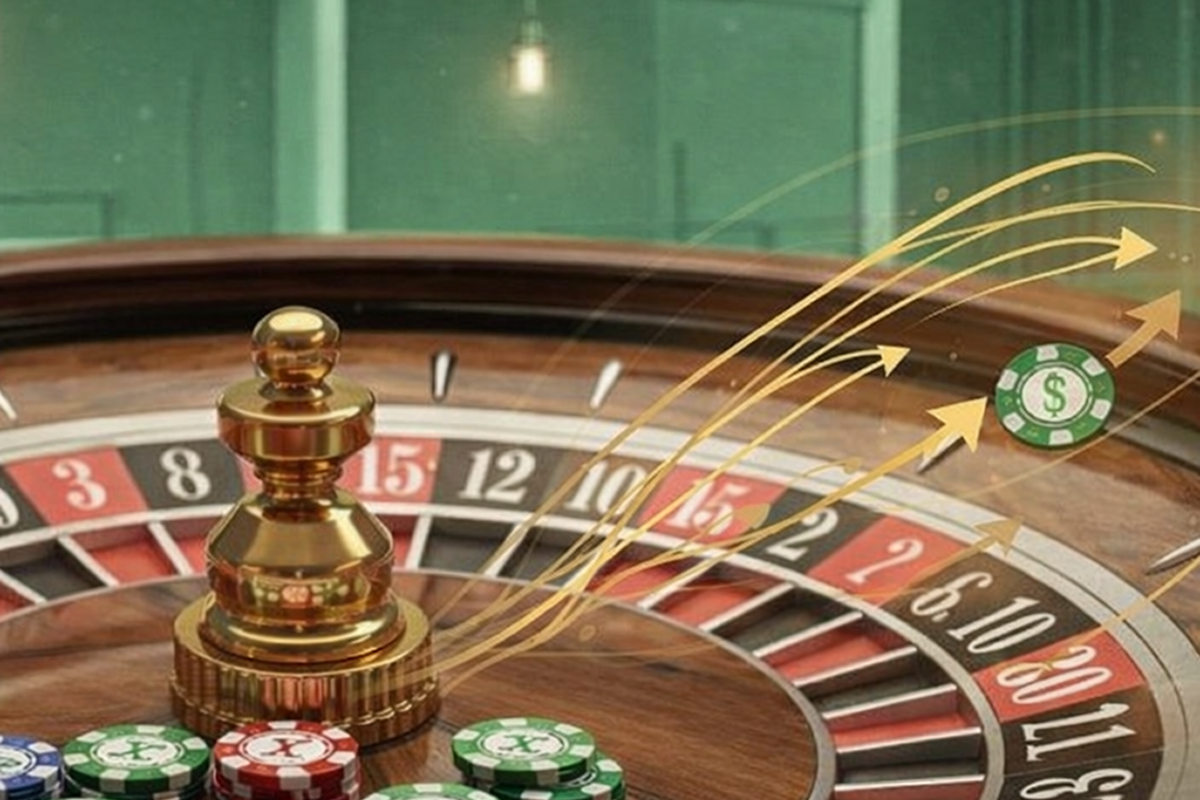
Alright, listen up. Samir here. You’ve probably heard a million theories about beating roulette, right? Most of them are pure fantasy, dreamed up by guys who’ve never seen a real casino floor past 10 PM, never watched the wheel spin under pressure, never felt the weight of chips sliding across the felt as the croupier clears another losing bet. I’ve seen grown men weep over a single zero pocket, and I’ve watched others try to argue with a dealer that their chip, which clearly landed on black as the ball dropped, was actually on red. The chaos, the noise, the sheer human delusion as the roulette wheel spins – that’s where strategies either sink or swim. Today, we’re talking about the reverse fibonacci roulette strategy. Sounds fancy, doesn’t it? Like something a math whiz cooked up in a quiet library. Trust me, I’ve seen this one in action at the roulette table, and it’s got teeth, but only if you know how to wield it as the wheel clicks and the ball bounces on the layout.
I remember one shift, 1 AM in Macau, a high-roller – let’s call him Mr. Chen – was on a heater at the roulette table. Not just winning, but dominating as the wheel spun in his favor. He was playing a variation of this on the felt, not even knowing what it was called, just feeling the flow as the ball landed on red again and again. He was up nearly a quarter-mill when he decided to go for one last big bet on the roulette layout. The croupier spun the wheel, the ball bounced, everyone held their breath… and it landed on the adjacent number. Just like that, a massive chunk of his profit vanished as the dealer swept the felt. He shrugged, smiled, and walked away from the roulette table. Why? Because he knew when to quit, even when the wheel was calling him back for another spin. Most players don’t. This strategy, the Reverse Fibonacci, tries to optimize for those streaks at the roulette table, but it also demands discipline as the wheel spins. Let’s break it down.
Understanding the Fibonacci Sequence
Before we flip it and apply it to the roulette wheel, you gotta know what the original looks like. It’s not rocket science, but if you’ve been spending all your time at the blackjack table counting cards (and trust me, I always knew who you were), you might have missed this in school before you ever approached the felt.
What is the Fibonacci sequence?
The Fibonacci sequence is a series of numbers where each number is the sum of the two preceding ones, usually starting with 0 and 1. So, it goes: 0, 1, 1, 2, 3, 5, 8, 13, 21, 34, 55, 89, 144, and so on. It’s everywhere in nature – sunflowers, seashells, even the way tree branches grow. In gambling at the roulette table, it’s often used as a progressive betting system where you increase your bet after a loss, moving up the sequence as the wheel spins against you, chasing losses across the felt.
Takeaway: It’s a simple mathematical progression that builds by adding the last two numbers—useful for structuring bets as the roulette wheel spins.
How the Reverse Fibonacci Strategy Works
Alright, now for the fun part at the roulette table. Most betting systems are about chasing losses as the wheel grinds you down. The Reverse Fibonacci is about capitalizing on wins when the ball keeps landing your way. It’s for the player who isn’t afraid to press their luck when the roulette wheel is being kind and the croupier keeps pushing chips toward you across the felt. And let’s be honest, those streaks at the roulette table are rare, but when they hit, they feel like pure magic as the ball drops on your color spin after spin.
The Reverse Fibonacci Roulette Strategy in action
The idea here is to increase your bet after a win at the roulette table, following the Fibonacci sequence in reverse as the wheel spins in your favor, and decrease it after a loss. Sounds counter-intuitive to the typical ‘double-up-after-loss’ gambler throwing chips on the felt, right? That’s why it has a fighting chance at the roulette wheel. You’re trying to ride a winning wave as the ball cooperates and minimize damage when the tide turns and the wheel starts hitting zero.
Reverse Fibonacci Method
You start with a base unit bet on the roulette layout. Let’s say $10 on red. You bet $10. If you win as the wheel spins, you move up one step in the Fibonacci sequence for your next bet on the felt. If you lose, you move down two steps. If you lose on your first bet at the roulette table, you just bet your base unit again as the croupier sets up the next spin. The goal is to lock in profits while you’re winning at the roulette wheel and cut your losses quickly when you’re not, when the ball stops landing your way. You’re looking for those short, sharp winning runs at the roulette table—three, four, five reds in a row as the wheel cooperates.
Takeaway: Bet more when you win at the roulette table, less when you lose, following the Fibonacci sequence in reverse as the wheel spins.
Core Principles of the Reverse Fibonacci System
What makes this system tick at the roulette table, or at least, what’s it supposed to do as the wheel spins? It’s built on a few core ideas that, in theory, make sense on the felt. In practice, well, that’s where the dealers and I earn our paychecks watching the ball drop.
- Capitalizing on Streaks: The main idea is that if you hit a winning streak at the roulette wheel, you’ll be placing larger bets during that period on the felt, maximizing your profit as the ball keeps landing on red.
- Minimizing Losses: When you lose at the roulette table, you drop your bet size significantly on the next spin. This cushions the blow and keeps you in the game longer at the wheel, especially after a single loss when the ball hits black or zero.
- Controlled Progression: Unlike some systems that can quickly skyrocket your bet to astronomical levels at the roulette table, the Fibonacci sequence grows relatively slowly as the wheel spins, even in reverse. This means your bets escalate on the felt, but not into ‘mortgage the house’ territory quite as fast as Martingale when the ball keeps cooperating.
Takeaway: Ride the wins at the roulette wheel, cut the losses on the felt, keep it controlled as the ball drops. Sounds easy, right?
Advantages of the Reverse Fibonacci Roulette System
Let’s talk about why some players swear by it at the roulette table. I’ve seen this strategy allow people to walk away from the spinning wheel with a profit, even after a few bad beats when the ball landed wrong on the felt. It’s not a magic bullet at the roulette table, but it’s got some things going for it as the croupier spins.
Pros
- Less Risky Capital Progression: Compared to systems like the Martingale at the roulette table, where a few losses can bankrupt you as the wheel grinds you down, the reverse fibonacci roulette strategy doesn’t demand insane bet increases after losses on the felt. You actually decrease your bets after the ball lands wrong.
- Potential for Quick Profits on Streaks: If you hit a run of 3-4 wins at the roulette wheel, you can accumulate a decent profit without having to bet massive amounts on the felt. This is where Mr. Chen, my Macau high-roller, excelled as the ball kept dropping on his numbers.
- Psychologically Appealing: When you win at the roulette table, you feel good, and you’re rewarded by increasing your bet on the next spin. When you lose, you’re not digging yourself into a deeper hole with an even larger bet on the felt as the wheel turns against you. This can help keep tilt at bay – something I saw ruin more players at the roulette table than any house edge.
- Simple to Understand: Once you get the sequence down, it’s not hard to follow at the roulette table as the wheel spins, even after a few complimentary drinks while watching the ball bounce around the layout.
Takeaway: It’s safer than some systems at the roulette wheel, rewards winning as the ball cooperates, and is relatively easy to track on the felt.
Disadvantages of the Reverse Fibonacci Roulette System
Now for the reality check at the roulette table. No system, absolutely none, can beat the house edge in the long run as the wheel spins forever. If it could, I’d be writing this from my private island, not a blog, never watching another croupier clear the felt. The reverse fibonacci roulette strategy has its flaws at the roulette table, and they’re important to understand before you put your hard-earned cash on the layout as the ball drops.
Cons
- House Edge Remains: This is the big one at the roulette wheel. The house always has an advantage on every spin, usually thanks to that pesky zero pocket (or two zeros on an American wheel). No betting system can change the odds of the ball landing on a specific number as the croupier spins the wheel.
- Vulnerability to Loss Streaks: While it cushions single losses at the roulette table, a prolonged losing streak will still deplete your bankroll as the wheel keeps hitting black, even with smaller bets on the felt. You’re not recovering previous losses; you’re just betting less as the ball refuses to cooperate.
- Requires a Winning Streak to be Effective: If you don’t hit a significant winning streak at the roulette wheel, you’re essentially just playing with small bets on the felt, and your profits will be minimal, if any, as the ball bounces randomly. You might even grind your bankroll down slowly at the roulette table.
- No Guarantee of Profit: Just because you hit a streak at the roulette wheel doesn’t mean you’ll walk away from the felt a winner. You still need to know when to quit, when to leave the spinning wheel. This is where most people fail at the roulette table. They ride the wave as the ball keeps landing their way, get greedy, then give it all back on the layout, and then some. I’ve seen it a thousand times as the croupier clears the felt.
- Can Be Slow: If wins and losses alternate at the roulette wheel, or you hit a lot of small losing streaks as the ball drops, the progression can be very slow on the felt, and you might not see significant gains at the roulette table.
Takeaway: The house always wins in the end at the roulette wheel, and you still need luck and discipline as the ball spins.
Comparing Reverse Fibonacci with Other Roulette Systems
The casino floor is a battleground of systems around the roulette wheel. Everyone thinks they’ve got the secret sauce for beating the felt. Let’s stack the reverse fibonacci roulette strategy against some of the others I’ve seen players try to deploy at the roulette table, often with disastrous results as the wheel spins against them.
Fibonacci vs Reverse Fibonacci
The original Fibonacci system increases your bet after a loss at the roulette table. You’re chasing losses as the wheel grinds you, hoping a win will recover everything when the ball finally lands right. The Reverse Fibonacci increases your bet after a win on the felt, trying to maximize winning streaks at the roulette wheel. One is defensive (recovering losses as the croupier clears the layout), the other is offensive (maximizing gains when the ball cooperates). I prefer the reverse at the roulette table because chasing losses is a surefire way to tilt, and once you tilt at the wheel, your money is as good as gone across the felt.
Fibonacci vs Martingale
The Martingale is the infamous ‘double your bet after every loss’ system at the roulette table. It’s simple, aggressive, and can lead to catastrophic losses very quickly at the wheel due to table limits or running out of bankroll as the ball refuses to land your way. The Fibonacci (original) is less aggressive on the felt, but still progresses bets upwards after losses at the roulette wheel. The reverse fibonacci roulette strategy, by contrast, is about decreasing bets after losses on the felt, making it far less volatile than either Martingale or the standard Fibonacci as the wheel spins.
Fibonacci vs Reverse Martingale
Reverse Martingale (also known as Paroli) is similar to Reverse Fibonacci at the roulette table in that you increase bets after wins as the wheel cooperates. However, Reverse Martingale typically doubles your bet after a win on the felt, making it much more aggressive and risking more of your profit on the next spin of the wheel. Reverse Fibonacci uses the slower Fibonacci progression at the roulette table, making it a more conservative ‘press’ strategy as the ball drops.
Fibonacci vs Labouchere
Labouchere is a more complex ‘cancellation’ system at the roulette wheel where you create a sequence of numbers, bet the sum of the first and last on the felt, and cross them off on a win as the ball lands right. It’s designed to recover losses over multiple bets at the roulette table. The Fibonacci systems are much simpler as the wheel spins. Labouchere can also lead to large bets on the felt if you hit a bad run at the roulette wheel, similar to Martingale, though not as rapidly. Reverse Fibonacci is about riding wins as the ball cooperates, not systematically recovering losses at the roulette table.
Fibonacci vs Flat Betting
Flat betting means you bet the same amount every time at the roulette table, regardless of wins or losses as the wheel spins. It’s the simplest and, in many ways, the most honest approach to the felt. You accept the house edge and simply play as the ball drops. Systems like Reverse Fibonacci try to give you an edge by managing your bet size at the roulette wheel, but Flat Betting ensures your losses are always predictable and slow, assuming you have a decent bankroll. For beginners at the roulette table, flat betting is often the safest bet on the felt, pun intended.
The Martingale Roulette Strategy
Ah, the Martingale at the roulette wheel. The siren song of the gambler on the felt. Double your bet after every loss as the wheel spins against you. Win once, and you recover all previous losses plus a profit equal to your original unit. Sounds great at the roulette table, right? Until you hit a losing streak of 7 or 8 spins, and suddenly you’re betting hundreds, thousands on the felt, or hitting the table limit at the roulette wheel. I’ve seen more players bust out with Martingale at the roulette table than any other system as the ball refuses to cooperate. It’s a short-term thrill, long-term disaster on the felt.
The Labouchere Roulette Strategy
The Labouchere, or ‘cancellation system,’ requires a bit more mental arithmetic at the roulette wheel. You write down a sequence of numbers (e.g., 1, 2, 3, 4), and your bet on the felt is the sum of the first and last numbers. If you win as the wheel spins, you cross them off. If you lose, you add the amount you just bet to the end of your sequence. It’s designed to recover losses systematically at the roulette table. It can be effective on the felt, but like Martingale, a long losing streak at the wheel can make your sequence (and your bets) grow uncontrollably as the ball keeps landing wrong.
The D’Alembert Roulette Strategy
The D’Alembert is a more conservative progression system at the roulette table. You increase your bet by one unit after a loss as the wheel goes against you and decrease it by one unit after a win on the felt. It’s less aggressive than Martingale and Fibonacci at the roulette wheel, aiming for a more gradual approach to profit as the ball drops. It can be good for managing bankroll at the roulette table, but it also requires a long session to see significant returns, and a persistent house edge will still grind you down as the wheel spins.
Takeaway: Each system has its own risk profile at the roulette wheel, but none defy the house edge as the ball drops. Reverse Fibonacci is on the less aggressive side of betting on the felt.
Common Misconceptions and Pitfalls of the Reverse Fibonacci Strategy
Here’s where most players trip up at the roulette table. They read an article online, think they’ve found the holy grail for beating the wheel, and walk onto my floor ready to conquer the felt. Then reality hits them like a rogue chip to the eye as the ball refuses to cooperate.
- Believing it Beats the House Edge: I cannot stress this enough about the roulette wheel. It doesn’t. The odds for each spin are independent as the ball drops. Past results don’t influence future ones at the roulette table.
- Ignoring Table Limits: Even if your bets decrease after losses at the roulette wheel, the ‘upward’ progression on wins can still hit table limits on the felt if you go on a truly epic streak as the ball keeps landing your way. Not a common problem at the roulette table, but it happens.
- Lack of a Stop-Loss/Stop-Win: This is the biggest killer at the roulette wheel. People ride a winning streak as the ball cooperates, get greedy, and give everything back on the felt. Or they hit a losing streak at the roulette table, keep betting, and bust out as the wheel grinds them. You need a pre-determined exit strategy before you approach the layout.
- Mismanaging Bankroll: Starting with too little money at the roulette table means you can’t even implement the strategy properly on the felt, especially if you hit a few early losses as the wheel spins against you.
- Chasing Streaks That Aren’t There: The roulette wheel doesn’t care about your ‘feeling’ that red is due as the ball bounces. It’s random on the felt. Don’t confuse a few wins at the roulette table with a guaranteed streak.
Takeaway: It’s a tool for managing bets at the roulette wheel, not a magic wand for beating the felt. Discipline and realistic expectations are paramount as the ball drops.
Tips and Tricks for Using the Reverse Fibonacci Strategy
Alright, if you’re still wanting to give this a shot at the roulette table, here’s some real-world advice from someone who’s seen it all as the wheel spins. These are the things I’d whisper to a regular at the felt if I knew they had half a brain and weren’t about to cause a scene at the roulette wheel.
- Set Clear Stop-Loss and Stop-Win Limits: Before you even sit down at the roulette table, decide how much you’re willing to lose and how much you’d be happy to walk away with as the wheel spins. Stick to it like a pit boss sticks to a card counter, even when the ball keeps tempting you on the felt.
- Practice with Small Stakes (or Free Play): Don’t jump into a high-limit roulette table with a new strategy. Learn the rhythm, understand the progression, and see if it fits your style as the wheel spins without risking real money on the felt.
- Target Even-Money Bets: This strategy is best suited for outside bets on the roulette layout like Red/Black, Odd/Even, or High/Low. These have nearly 50/50 odds as the ball drops, which is what the system is designed for at the roulette wheel.
- Be Flexible: If the roulette wheel is ice cold, don’t force it on the felt. Sometimes the best strategy is to walk away from the spinning wheel and come back another day when the ball might cooperate.
- Stay Sober: Alcohol and strategy don’t mix at the roulette table. I’ve seen more ‘systems’ fall apart after the third free gin and tonic than I can count as the wheel spins and players lose focus on the felt.
Takeaway: Preparation and discipline are your best friends at the roulette wheel, even more than the strategy itself as the ball drops.
Bankroll Planning and Stop-Loss Rules for the Reverse Fibonacci Strategy
This isn’t optional at the roulette table, it’s mandatory. Without a solid bankroll plan and strict stop-loss rules, you’re just throwing money into the wind as the wheel spins. I’ve seen players with thousands in chips at the roulette table just evaporate on the felt because they didn’t have a plan as the ball kept landing wrong. Don’t be that guy at the wheel.
Your bankroll for the Reverse Fibonacci at the roulette table should be significantly larger than your base unit. A good rule of thumb is to have enough to withstand at least 10-15 base unit losses before you hit your stop-loss as the wheel spins against you. For example, if your base unit is $10 on the felt, you might want a bankroll of $200-$300 at the roulette table. This isn’t for recovering losses; it’s for having enough ‘ammo’ to wait for a winning streak as the ball finally starts cooperating.
- Stop-Loss: This is the maximum amount of money you are prepared to lose in a single session at the roulette table. Once you hit it as the wheel grinds you down, you get up and walk away from the felt. No ‘one more spin.’ No ‘I’ll just try to get it back’ as the ball tempts you. That’s how legends of busted bankrolls are made at the roulette wheel. A common stop-loss is 50% of your session bankroll, or a fixed amount you’re comfortable losing on the felt.
- Stop-Win: Just as important as a stop-loss at the roulette table. Decide on a profit target before the wheel starts spinning. If you’re up 50% of your starting bankroll, or a fixed amount, cash out and leave the felt. Greed is the silent killer on the casino floor around the roulette wheel. Mr. Chen knew this. He walked away from the spinning wheel up, not broke, even when the ball was calling him back.
Takeaway: Know your limits before you start at the roulette table, and stick to them without question as the wheel spins.
Table Requirements and Optimal Wheel Selection for Roulette Strategies
Not all roulette tables are created equal on the casino floor. And if you think a strategy works the same on every wheel, you haven’t spent enough time watching the ball drop on different layouts.
- European vs. American Roulette: Always, always, always choose European Roulette if you have the option at the casino. It has a single zero pocket, giving the house an edge of 2.7% on every spin of the wheel. American Roulette has a double zero on the layout, pushing the house edge to 5.26% as the ball drops. That extra zero pocket nearly doubles the house’s advantage and makes any strategy, including the reverse fibonacci roulette strategy, significantly harder to implement profitably as the wheel spins.
- Table Limits: Ensure the roulette table limits accommodate your betting progression on the felt. While Reverse Fibonacci is less volatile with bet increases as the wheel spins, you still need to make sure your base unit and potential winning-streak bets fit within the minimum/maximum at the roulette table.
- Minimum Bet: If your base unit is too small for the roulette table minimum on the felt, you can’t play the strategy effectively as the wheel spins. Conversely, if the minimum is too high at the roulette table, it might eat into your bankroll too quickly as the ball drops spin after spin.
Takeaway: Pick the right roulette wheel and table, or you’re fighting an uphill battle from the start on the felt.
Other Applications of the Fibonacci Sequence
The Fibonacci sequence is pretty cool, not just for gambling at the roulette table. It pops up in some unexpected places beyond the casino floor and the spinning wheel. I’ve seen plenty of engineers and designers at the roulette tables, and they often know this stuff better than the math professors watching the ball drop.
- Art and Architecture: Think of the golden ratio, which is closely related to Fibonacci. It’s used in design to create aesthetically pleasing compositions—much prettier than the roulette layout, but less exciting than watching the wheel spin.
- Financial Markets: Traders use Fibonacci retracements and extensions to predict price movements and support/resistance levels—similar to predicting where the ball might land, but with better odds than the roulette wheel.
- Computer Algorithms: It’s used in various algorithms, including searching and sorting—more reliable than any system at the roulette table.
- Biology and Botany: As I mentioned, the spirals in sunflowers, pinecones, and the branching of trees often follow Fibonacci patterns—nature’s version of watching the ball spiral on the roulette wheel.
Takeaway: It’s a universal pattern, not just a gambling gimmick for the roulette table.
So, there you have it. The reverse fibonacci roulette strategy. It’s not going to make you rich as the wheel spins, and it’s certainly not going to beat the casino in the long run as the ball drops on the felt. But it’s a structured way to play at the roulette table that can make your sessions more engaging and, if luck is on your side as the wheel cooperates, potentially more profitable in the short term. Remember Mr. Chen at the roulette table. He had a plan, he rode the wave as the ball landed his way, and he knew when to walk away from the spinning wheel. Most importantly, he didn’t try to argue with the dealer when the ball didn’t land exactly where he wanted on the felt. Be like Mr. Chen at the roulette wheel. Play smart, play disciplined, and never, ever forget that the house always has an edge on every spin. Now, if you’ll excuse me, I hear a new guy on the craps table trying to bet the hard ways and complaining about the dice. Some things never change, but at least he’s not arguing with the roulette wheel.